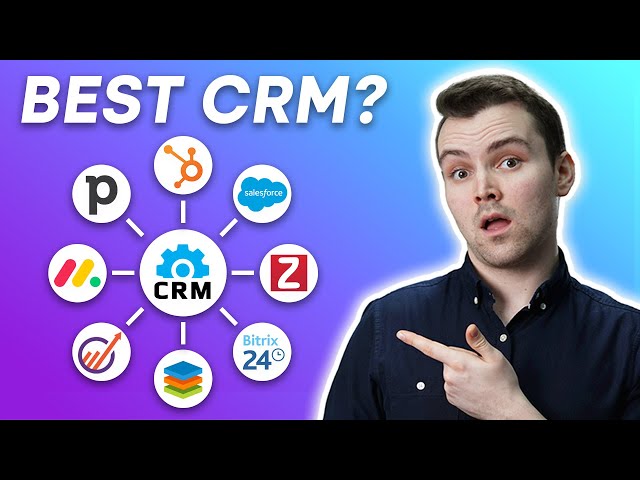
A CRM customer database is a collection of organized information about customers, including their contact details, purchase history, and preferences. This data can be used to improve customer service, marketing, and sales efforts. For example, a CRM customer database can be used to:
Track customer interactions and preferences Identify and target potential customers Personalize marketing and sales campaigns Improve customer service and support
CRM customer databases are an essential tool for businesses of all sizes. They can help businesses to improve customer relationships, increase sales, and reduce costs.
CRM Customer Database
A CRM customer database is a collection of organized information about customers, including their contact details, purchase history, and preferences. This data can be used to improve customer service, marketing, and sales efforts.
- Centralized: A CRM customer database stores all customer data in one place, making it easy to access and manage.
- Organized: A CRM customer database is organized in a way that makes it easy to find the information you need, when you need it.
- Actionable: A CRM customer database can be used to take action, such as sending marketing campaigns, generating sales leads, and providing customer support.
- Scalable: A CRM customer database can be scaled to meet the needs of a growing business.
- Secure: A CRM customer database is secure, protecting customer data from unauthorized access.
These five key aspects make a CRM customer database an essential tool for businesses of all sizes. By centralizing, organizing, and securing customer data, businesses can improve customer service, marketing, and sales efforts.
Centralized
A centralized CRM customer database is a key component of any successful customer relationship management (CRM) strategy. By storing all customer data in one place, businesses can gain a complete view of each customer, including their contact information, purchase history, and preferences. This information can then be used to improve customer service, marketing, and sales efforts.
-
Benefits of a centralized CRM customer database:
- Improved customer service: With a centralized CRM customer database, customer service representatives can quickly and easily access all of a customer’s information, including their contact information, purchase history, and preferences. This allows them to provide more personalized and efficient service.
- More effective marketing: A centralized CRM customer database can be used to segment customers based on their demographics, interests, and behaviors. This information can then be used to create more targeted and effective marketing campaigns.
- Increased sales: A centralized CRM customer database can be used to track sales opportunities and identify potential customers. This information can then be used to improve sales forecasting and close more deals.
-
Challenges of implementing a centralized CRM customer database:
- Data integration: Integrating data from multiple sources into a centralized CRM customer database can be a challenge. It is important to ensure that the data is accurate, consistent, and up-to-date.
- Data security: A centralized CRM customer database contains a wealth of sensitive customer information. It is important to implement strong security measures to protect this data from unauthorized access.
- User adoption: Getting users to adopt a new CRM customer database can be a challenge. It is important to provide training and support to help users get up to speed on the new system.
Overall, a centralized CRM customer database is a valuable tool that can help businesses improve customer service, marketing, and sales efforts. However, it is important to be aware of the challenges involved in implementing and managing a centralized CRM customer database.
Organized
A well-organized CRM customer database is essential for businesses to get the most out of their CRM system. When a CRM customer database is organized, it is easy to find the information you need, when you need it. This can save businesses time and money, and can also help to improve customer service.
There are a number of ways to organize a CRM customer database. One common approach is to organize the database by customer type. For example, a business might have different customer types, such as individual customers, business customers, and government customers. By organizing the database by customer type, it is easy to find the information you need about a particular type of customer.
Another common approach is to organize the database by customer geography. For example, a business might have customers in different countries or regions. By organizing the database by customer geography, it is easy to find the information you need about customers in a particular area.
No matter how you choose to organize your CRM customer database, it is important to make sure that the organization is logical and easy to understand. This will help you to get the most out of your CRM system.
Here are some of the benefits of having an organized CRM customer database:
- Improved customer service: When a CRM customer database is organized, it is easy to find the information you need about a customer. This can help you to provide better customer service, as you can quickly and easily access the customer’s history, preferences, and other relevant information.
- Increased sales: An organized CRM customer database can help you to increase sales by making it easy to identify and target potential customers. You can also use the database to track sales opportunities and manage customer relationships.
- Reduced costs: An organized CRM customer database can help you to reduce costs by streamlining your sales and marketing processes. You can also use the database to identify and eliminate duplicate data, which can save you time and money.
If you are not sure how to organize your CRM customer database, there are a number of resources available to help you. You can talk to a CRM consultant, read books or articles on the topic, or search for information online.
Actionable
A CRM customer database is a powerful tool that can help businesses take action to improve customer relationships. By providing a centralized repository of customer data, a CRM customer database makes it easy to track customer interactions, identify opportunities, and personalize marketing and sales campaigns.
One of the most important aspects of a CRM customer database is its ability to be actionable. This means that the data in the database can be used to take concrete actions to improve customer relationships. For example, a CRM customer database can be used to:
- Send marketing campaigns: A CRM customer database can be used to segment customers based on their demographics, interests, and behaviors. This information can then be used to create targeted marketing campaigns that are more likely to resonate with each customer.
- Generate sales leads: A CRM customer database can be used to track customer interactions and identify potential sales leads. This information can then be used to prioritize sales efforts and close more deals.
- Provide customer support: A CRM customer database can be used to track customer support interactions and identify common issues. This information can then be used to improve customer support processes and resolve issues more quickly.
The ability to take action is what makes a CRM customer database so valuable to businesses. By providing a centralized repository of customer data and making it easy to take action on that data, a CRM customer database can help businesses improve customer relationships, increase sales, and reduce costs.
Here are some real-life examples of how businesses have used CRM customer databases to take action and improve their customer relationships:
- Amazon: Amazon uses a CRM customer database to track customer purchases and preferences. This information is then used to personalize marketing campaigns and product recommendations.
- Starbucks: Starbucks uses a CRM customer database to track customer visits and purchases. This information is then used to send targeted marketing campaigns and offer personalized rewards.
- Salesforce: Salesforce uses a CRM customer database to track customer interactions and sales opportunities. This information is then used to improve customer service and close more deals.
These are just a few examples of how businesses can use CRM customer databases to take action and improve their customer relationships. By understanding the importance of actionable data and using a CRM customer database to its full potential, businesses can gain a competitive advantage and achieve success.
Scalable
A CRM customer database is essential for businesses of all sizes, but it is especially important for businesses that are growing rapidly. A scalable CRM customer database can help businesses keep track of their customers, manage their relationships, and track their sales and marketing efforts.
There are a number of benefits to using a scalable CRM customer database. First, it can help businesses save time and money. A scalable CRM customer database can automate many of the tasks that are associated with managing customer relationships, such as tracking customer interactions, sending marketing campaigns, and generating sales leads. This can free up businesses to focus on other tasks, such as growing their business.
Second, a scalable CRM customer database can help businesses improve their customer service. A scalable CRM customer database can provide businesses with a complete view of their customers, including their contact information, purchase history, and preferences. This information can be used to provide customers with more personalized and efficient service.
Third, a scalable CRM customer database can help businesses increase their sales. A scalable CRM customer database can help businesses identify and target potential customers. This information can be used to create more targeted marketing campaigns and sales pitches.
There are a number of different CRM customer databases available on the market. When choosing a CRM customer database, it is important to consider the size of your business, your budget, and your specific needs.
If you are a small business, you may want to consider using a cloud-based CRM customer database. Cloud-based CRM customer databases are typically more affordable and easier to use than on-premise CRM customer databases.
If you are a large business, you may want to consider using an on-premise CRM customer database. On-premise CRM customer databases are typically more expensive and complex to use than cloud-based CRM customer databases, but they offer more flexibility and control.
No matter what size your business is, a scalable CRM customer database can help you improve your customer relationships, increase your sales, and reduce your costs.
Secure
A secure CRM customer database is essential for protecting sensitive customer information from unauthorized access. CRM (Customer Relationship Management) systems store a wealth of data about customers, including their contact information, purchase history, and preferences. This data can be used to improve customer service, marketing, and sales efforts. However, it is also important to protect this data from unauthorized access, as it could be used to commit fraud or identity theft.
- Encryption: Encryption is a process of converting data into a form that cannot be easily understood by unauthorized people. CRM systems should use strong encryption algorithms to protect customer data at rest and in transit.
- Access controls: Access controls limit who can access customer data. CRM systems should have robust access controls in place to ensure that only authorized users can access customer data.
- Audit trails: Audit trails track all changes made to customer data. This information can be used to investigate security breaches and identify unauthorized access to customer data.
- Regular security audits: Regular security audits can help to identify and fix security vulnerabilities in CRM systems.
By implementing these security measures, businesses can protect customer data from unauthorized access and maintain the trust of their customers.
FAQs on CRM Customer Databases
A CRM customer database is a collection of organized information about customers, including their contact details, purchase history, and preferences. This data can be used to improve customer service, marketing, and sales efforts. Here are some frequently asked questions about CRM customer databases:
Question 1: What are the benefits of using a CRM customer database?
CRM customer databases offer a number of benefits, including:
- Improved customer service
- Increased sales
- Reduced costs
- Improved customer relationships
Question 2: How do I choose the right CRM customer database for my business?
When choosing a CRM customer database, it is important to consider the size of your business, your budget, and your specific needs. There are a number of different CRM customer databases available on the market, so it is important to do your research and compare different options before making a decision.
Question 3: How do I implement a CRM customer database?
Implementing a CRM customer database can be a complex process, but it is important to take the time to do it right. There are a number of steps involved in implementing a CRM customer database, including:
- Choosing the right CRM customer database
- Importing your customer data
- Training your staff on how to use the CRM customer database
- Integrating the CRM customer database with your other business systems
Question 4: How do I keep my CRM customer database secure?
It is important to take steps to protect your CRM customer database from unauthorized access. There are a number of security measures that you can implement, including:
- Using strong passwords
- Encrypting your data
- Restricting access to your CRM customer database
- Regularly backing up your data
Question 5: How do I get the most out of my CRM customer database?
There are a number of ways to get the most out of your CRM customer database, including:
- Using it to track your customer interactions
- Using it to identify and target potential customers
- Using it to personalize your marketing and sales campaigns
- Using it to improve your customer service
Question 6: What are the common mistakes to avoid when using a CRM customer database?
There are a number of common mistakes that businesses make when using a CRM customer database, including:
- Not using the CRM customer database consistently
- Not keeping the CRM customer database up-to-date
- Not using the CRM customer database to its full potential
By avoiding these mistakes, you can get the most out of your CRM customer database and improve your customer relationships.
CRM customer databases are a valuable tool for businesses of all sizes. By using a CRM customer database, you can improve your customer service, marketing, and sales efforts.
To learn more about CRM customer databases, please visit our website or contact us today.
CRM Customer Database Tips
A CRM customer database is a powerful tool that can be used to improve customer relationships, increase sales, and reduce costs. However, it is important to use a CRM customer database effectively in order to get the most out of it.
Five Tips for Using a CRM Customer Database Effectively
Tip 1: Use a CRM customer database that is right for your business. There are many different CRM customer databases on the market, so it is important to choose one that is right for the size and needs of your business.
Tip 2: Keep your CRM customer database up-to-date. A CRM customer database is only as good as the data that is in it. Make sure to keep your CRM customer database up-to-date by regularly importing new data and cleaning out old data.
Tip 3: Use your CRM customer database to track customer interactions. A CRM customer database can be used to track all of your customer interactions, including phone calls, emails, and website visits. This information can be used to improve customer service and identify opportunities to upsell and cross-sell.
Tip 4: Use your CRM customer database to segment your customers. A CRM customer database can be used to segment your customers based on their demographics, interests, and behaviors. This information can be used to create targeted marketing campaigns and sales pitches.
Tip 5: Use your CRM customer database to improve your customer service. A CRM customer database can be used to provide better customer service by giving you a complete view of each customer’s history with your company.
Benefits of Using a CRM Customer Database
- Improved customer service
- Increased sales
- Reduced costs
- Improved customer relationships
By following these tips, you can use your CRM customer database to improve your customer relationships, increase sales, and reduce costs.
CRM Customer Database
A CRM customer database is a collection of organized information about customers, including their contact details, purchase history, and preferences. This data can be used to improve customer service, marketing, and sales efforts. CRM customer databases are an essential tool for businesses of all sizes, as they can help to:
- Improve customer service by providing a complete view of each customer’s history with the company
- Increase sales by identifying and targeting potential customers
- Reduce costs by automating tasks and streamlining processes
- Improve customer relationships by tracking interactions and preferences
Overall, CRM customer databases are a valuable tool that can help businesses to improve their customer relationships, increase sales, and reduce costs.
To learn more about CRM customer databases and how they can benefit your business, please visit our website or contact us today.
Youtube Video: