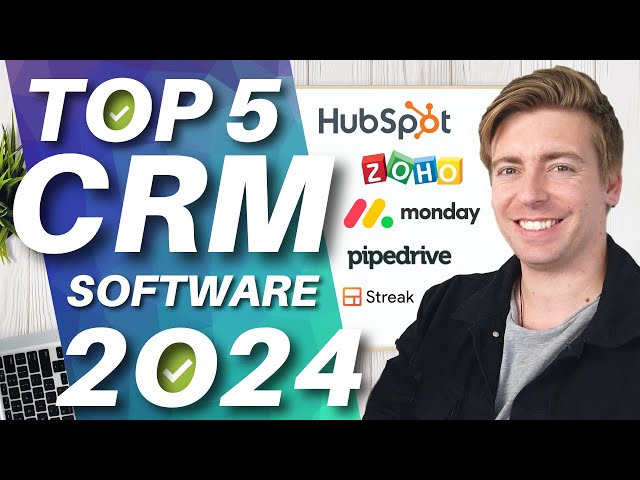
A sales CRM software for small businesses is a tool that helps businesses manage their customer relationships and sales pipelines. It can help businesses track leads, manage contacts, and close deals.
Using a sales CRM can help businesses improve their sales efficiency, increase their close rates, and improve customer satisfaction. Sales CRM software can also help businesses automate their sales processes, which can free up time for salespeople to focus on more strategic tasks.
There are many different sales CRM software solutions available on the market, so it’s important to choose one that is right for your business. Consider your business’s size, industry, and specific needs when choosing a sales CRM.
Sales CRM Software for Small Business
Sales CRM software is a vital tool for small businesses looking to streamline their sales process and improve customer relationships. Here are five key aspects of sales CRM software for small businesses:
- Lead Management: Track and manage leads from multiple channels.
- Contact Management: Store and organize customer information in a central location.
- Sales Pipeline Management: Visualize and track the progress of sales opportunities.
- Deal Management: Close deals faster with automated workflows and reminders.
- Reporting and Analytics: Gain insights into sales performance and identify areas for improvement.
By implementing a sales CRM software, small businesses can automate their sales processes, improve communication and collaboration among sales teams, and gain valuable insights into their sales performance. This can lead to increased sales, improved customer satisfaction, and a competitive advantage in the market.
Lead Management
Lead management is a critical component of any sales CRM software for small businesses. It allows businesses to track and manage leads from multiple channels, such as websites, social media, email marketing, and trade shows. By centralizing all lead data in one place, businesses can get a complete view of their sales pipeline and identify opportunities for growth.
Effective lead management can help businesses improve their sales conversion rates, increase their close rates, and improve customer satisfaction. By tracking lead activity and engagement, businesses can identify which leads are most likely to convert into paying customers. This allows them to focus their sales efforts on the most promising leads and improve their overall sales efficiency.
For example, a small business that sells software products might use a sales CRM to track leads from their website, email marketing campaigns, and social media channels. By tracking lead activity, such as website visits, email opens, and social media engagement, the business can identify which leads are most interested in their products. This allows them to prioritize these leads and nurture them through the sales process, increasing their chances of closing a deal.
Overall, lead management is an essential part of any sales CRM software for small businesses. By tracking and managing leads from multiple channels, businesses can improve their sales efficiency, increase their close rates, and improve customer satisfaction.
Contact Management
Contact management is a critical component of any sales CRM software for small businesses. It allows businesses to store and organize customer information in a central location, making it easy for sales teams to access and manage their customer relationships.
- Centralized Data: Contact management centralizes all customer data in one place, giving sales teams a complete view of each customer’s history, interactions, and preferences.
- Improved Collaboration: Contact management improves collaboration among sales teams by providing a shared platform for managing customer relationships. This allows sales teams to share notes, track customer interactions, and coordinate their sales efforts.
- Personalized Interactions: Contact management helps businesses personalize their interactions with customers by providing sales teams with easy access to customer data. This allows sales teams to tailor their sales pitches and marketing campaigns to each customer’s individual needs and preferences.
- Improved Customer Service: Contact management can improve customer service by providing customer service teams with easy access to customer information. This allows customer service teams to quickly and efficiently resolve customer issues and provide a better overall customer experience.
Overall, contact management is an essential part of any sales CRM software for small businesses. By storing and organizing customer information in a central location, contact management can help businesses improve their sales efficiency, increase their close rates, and improve customer satisfaction.
Sales Pipeline Management
Sales pipeline management is a critical component of any sales CRM software for small businesses. It allows businesses to visualize and track the progress of sales opportunities, from initial lead generation to final close. By doing so, businesses can identify bottlenecks in their sales process, prioritize their sales efforts, and improve their overall sales performance.
Effective sales pipeline management can help businesses improve their sales conversion rates, increase their close rates, and improve customer satisfaction. By tracking the progress of sales opportunities, businesses can identify which opportunities are most likely to close and which opportunities need more attention. This allows them to focus their sales efforts on the most promising opportunities and improve their overall sales efficiency.
For example, a small business that sells software products might use a sales CRM to track the progress of their sales pipeline. By tracking the progress of each sales opportunity, the business can identify which opportunities are moving forward and which opportunities are stuck. This allows them to prioritize their sales efforts and focus on the opportunities that are most likely to close. This can lead to increased sales, improved customer satisfaction, and a competitive advantage in the market.
Overall, sales pipeline management is an essential part of any sales CRM software for small businesses. By visualizing and tracking the progress of sales opportunities, businesses can improve their sales efficiency, increase their close rates, and improve customer satisfaction.
Deal Management
Deal management is a critical component of any sales CRM software for small businesses. It allows businesses to track the progress of sales opportunities, manage customer relationships, and close deals faster. By automating workflows and reminders, businesses can streamline their sales process, improve communication and collaboration among sales teams, and increase their overall sales efficiency.
Effective deal management can help businesses improve their sales conversion rates, increase their close rates, and improve customer satisfaction. By tracking the progress of sales opportunities, businesses can identify which opportunities are most likely to close and which opportunities need more attention. This allows them to prioritize their sales efforts and focus on the most promising opportunities.
For example, a small business that sells software products might use a sales CRM to manage their deals. By automating workflows and reminders, the business can streamline their sales process and improve communication and collaboration among sales teams. This allows them to close deals faster and improve their overall sales efficiency.
Overall, deal management is an essential part of any sales CRM software for small businesses. By automating workflows and reminders, businesses can streamline their sales process, improve communication and collaboration among sales teams, and increase their overall sales efficiency.
Reporting and Analytics
Reporting and analytics are essential components of any sales CRM software for small businesses. They provide businesses with the insights they need to track their sales performance, identify areas for improvement, and make better decisions.
Sales CRM software typically includes a variety of reporting and analytics tools that allow businesses to track key sales metrics, such as sales volume, conversion rates, and customer lifetime value. This data can be used to identify trends, patterns, and opportunities for improvement. For example, a small business might use a sales CRM to track its sales volume over time. By analyzing this data, the business can identify seasonal trends and adjust its sales strategy accordingly.
In addition to tracking sales performance, reporting and analytics tools can also be used to identify areas for improvement. For example, a small business might use a sales CRM to track its customer churn rate. By analyzing this data, the business can identify the reasons why customers are leaving and take steps to address these issues.
Overall, reporting and analytics are essential components of any sales CRM software for small businesses. They provide businesses with the insights they need to track their sales performance, identify areas for improvement, and make better decisions.
FAQs on Sales CRM Software for Small Businesses
Sales CRM software can be a valuable tool for small businesses, but it’s important to understand how it works and how to use it effectively. Here are answers to some of the most common questions about sales CRM software for small businesses:
Question 1: What is sales CRM software?
Sales CRM (Customer Relationship Management) software is a tool that helps businesses manage their customer relationships and sales pipelines. It can help businesses track leads, manage contacts, close deals, and generate reports.
Question 2: What are the benefits of using sales CRM software?
Sales CRM software can provide a number of benefits for small businesses, including improved sales efficiency, increased close rates, and better customer satisfaction.
Question 3: How much does sales CRM software cost?
The cost of sales CRM software can vary depending on the features and functionality offered. However, there are a number of affordable options available for small businesses.
Question 4: How do I choose the right sales CRM software for my business?
When choosing a sales CRM software, it’s important to consider your business’s size, industry, and specific needs. It’s also important to consider the cost of the software and the level of support that is offered.
Question 5: How do I get started with sales CRM software?
Getting started with sales CRM software is easy. Most providers offer a free trial so you can try the software before you buy it. Once you’ve chosen a provider, you can typically get started by creating an account and importing your customer data.
Question 6: What are some tips for using sales CRM software effectively?
Here are a few tips for using sales CRM software effectively:
- Make sure to enter all of your customer data into the system.
- Use the software to track your sales pipeline and identify opportunities.
- Use the software to automate your sales processes.
- Use the software to generate reports and track your progress.
By following these tips, you can get the most out of your sales CRM software and improve your business’s sales performance.
Sales CRM software can be a valuable tool for small businesses. By understanding how it works and how to use it effectively, you can improve your sales efficiency, increase your close rates, and improve customer satisfaction.
If you’re considering using sales CRM software for your small business, I encourage you to do your research and find a solution that meets your specific needs.
Sales CRM Software for Small Business Tips
Sales CRM (Customer Relationship Management) software can be a valuable tool for small businesses. Here are some tips to help you get the most out of your sales CRM software:
Tip 1: Enter all of your customer data into the system.
This may seem like a no-brainer, but it’s important to make sure that you enter all of your customer data into your sales CRM system. This includes contact information, purchase history, and any other relevant information. By having all of your customer data in one place, you’ll be able to better track your sales pipeline and identify opportunities.
Tip 2: Use the software to track your sales pipeline and identify opportunities.
Your sales CRM software can help you track your sales pipeline and identify opportunities. By tracking the progress of your sales opportunities, you’ll be able to see which opportunities are most likely to close and which opportunities need more attention. This will allow you to prioritize your sales efforts and focus on the opportunities that are most likely to generate revenue.
Tip 3: Use the software to automate your sales processes.
Sales CRM software can help you automate your sales processes, such as sending out follow-up emails, scheduling appointments, and generating invoices. By automating your sales processes, you’ll be able to free up your time to focus on more strategic tasks.
Tip 4: Use the software to generate reports and track your progress.
Your sales CRM software can help you generate reports and track your progress. This will allow you to see how your sales team is performing and identify areas for improvement. By tracking your progress, you’ll be able to make adjustments to your sales strategy and improve your results.
Tip 5: Get training on your sales CRM software.
Most sales CRM software providers offer training to help you get the most out of their software. Take advantage of this training to learn how to use the software effectively and efficiently.
By following these tips, you can get the most out of your sales CRM software and improve your business’s sales performance.
Sales CRM software can be a valuable tool for small businesses. By understanding how it works and how to use it effectively, you can improve your sales efficiency, increase your close rates, and improve customer satisfaction.
Conclusion
Sales CRM software can be a valuable tool for small businesses looking to streamline their sales process, improve customer relationships, and increase sales. By implementing a sales CRM software, small businesses can automate their sales processes, gain valuable insights into their sales performance, and improve customer satisfaction.
If you’re a small business owner, I encourage you to consider using sales CRM software to improve your sales performance. By following the tips outlined in this article, you can get the most out of your sales CRM software and achieve your business goals.
Youtube Video: