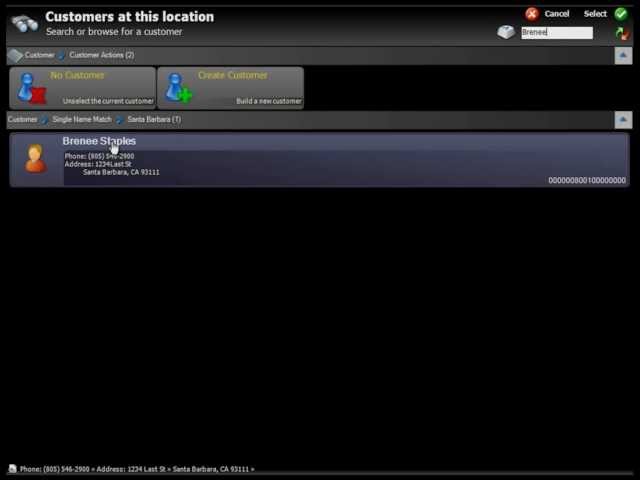
A customer relationship management (CRM) system helps businesses manage and track their interactions with current and potential customers. A point of sale (POS) system is a software application that helps businesses process sales transactions and manage their inventory. Together, CRM and POS systems can provide businesses with a comprehensive view of their customers and their sales data.
CRM and POS systems can be used to improve customer service, increase sales, and reduce costs. For example, a CRM system can be used to track customer interactions, identify opportunities for upselling and cross-selling, and provide personalized marketing campaigns. A POS system can be used to process sales transactions quickly and efficiently, track inventory levels, and generate reports on sales data.
CRM and POS systems are essential tools for businesses of all sizes. By integrating these systems, businesses can gain a better understanding of their customers and their sales data, which can lead to improved customer service, increased sales, and reduced costs.
CRM and POS
Customer relationship management (CRM) and point of sale (POS) systems are essential tools for businesses of all sizes. By integrating these systems, businesses can gain a better understanding of their customers and their sales data, which can lead to improved customer service, increased sales, and reduced costs.
- Customer Management: CRM systems help businesses track and manage their interactions with current and potential customers.
- Sales Tracking: POS systems help businesses process sales transactions and track their inventory.
- Improved Customer Service: By integrating CRM and POS systems, businesses can provide personalized customer service experiences.
- Increased Sales: CRM and POS systems can help businesses identify opportunities for upselling and cross-selling.
- Reduced Costs: CRM and POS systems can help businesses reduce costs by automating tasks and improving efficiency.
For example, a retail store can use a CRM system to track customer purchase history, preferences, and contact information. This information can then be used to send targeted marketing campaigns and provide personalized customer service. The store can also use a POS system to process sales transactions, track inventory levels, and generate reports on sales data. By integrating the CRM and POS systems, the store can gain a complete view of its customers and its sales data, which can help it improve customer service, increase sales, and reduce costs.
Customer Management
Customer management is a critical aspect of any business, and CRM systems play a vital role in helping businesses track and manage their interactions with current and potential customers. By providing a centralized platform for storing and managing customer data, CRM systems help businesses improve their customer service, increase sales, and reduce costs.
- Improved customer service: CRM systems help businesses track customer interactions across all channels, including phone, email, chat, and social media. This gives businesses a complete view of each customer’s history with the company, which enables them to provide more personalized and efficient customer service.
- Increased sales: CRM systems can help businesses identify opportunities for upselling and cross-selling. By tracking customer purchase history and preferences, CRM systems can recommend products and services that are likely to be of interest to each customer. This can lead to increased sales and improved customer satisfaction.
- Reduced costs: CRM systems can help businesses reduce costs by automating tasks and improving efficiency. For example, CRM systems can automate tasks such as lead generation, email marketing, and customer support. This can free up employees to focus on more strategic tasks, such as building relationships with customers and developing new products and services.
Overall, CRM systems are essential tools for businesses of all sizes. By providing a centralized platform for managing customer data, CRM systems can help businesses improve their customer service, increase sales, and reduce costs.
Sales Tracking
Sales tracking is an essential part of any business, and POS systems play a vital role in helping businesses track their sales data. By providing a centralized platform for recording and managing sales transactions, POS systems help businesses track their inventory, monitor their sales performance, and identify opportunities for growth.
POS systems are an important component of CRM and POS systems. By integrating POS data with CRM data, businesses can gain a complete view of their customers and their sales data. This information can then be used to improve customer service, increase sales, and reduce costs.
For example, a retail store can use a POS system to track sales data, inventory levels, and customer purchase history. This information can then be used to identify trends, develop targeted marketing campaigns, and provide personalized customer service. By integrating POS data with CRM data, the store can also track customer interactions across all channels, including phone, email, chat, and social media. This gives the store a complete view of each customer’s history with the company, which enables them to provide more personalized and efficient customer service.
Overall, sales tracking is an essential part of CRM and POS systems. By providing businesses with a centralized platform for recording and managing sales data, POS systems help businesses track their inventory, monitor their sales performance, and identify opportunities for growth.
Improved Customer Service
Integrating CRM and POS systems can significantly enhance customer service by providing businesses with a comprehensive view of each customer’s history, preferences, and interactions. This enables businesses to tailor their service to each individual customer, leading to increased customer satisfaction and loyalty.
- Customer History: CRM systems track all customer interactions, including purchases, inquiries, and support requests. This information can be used by POS systems to provide personalized service, such as greeting customers by name, offering relevant product recommendations, and addressing any previous issues.
- Customer Preferences: CRM systems also store customer preferences, such as preferred payment methods, shipping addresses, and product interests. POS systems can use this information to streamline the checkout process, offer targeted promotions, and provide tailored recommendations.
- Cross-Channel Consistency: By integrating CRM and POS systems, businesses can ensure a consistent customer experience across all channels. For example, if a customer makes a purchase online and then visits a physical store, the store staff can access the customer’s purchase history and preferences from the CRM system, allowing them to provide personalized service.
- Personalized Marketing: CRM and POS systems can be used together to create personalized marketing campaigns. For example, businesses can use CRM data to segment customers based on their purchase history and preferences, and then use POS data to track the effectiveness of marketing campaigns.
Overall, integrating CRM and POS systems is essential for businesses that want to provide personalized customer service experiences. By providing a comprehensive view of each customer, CRM and POS systems enable businesses to tailor their service to each individual, leading to increased customer satisfaction and loyalty.
Increased Sales
Upselling and cross-selling are two effective sales techniques that can help businesses increase their revenue. Upselling involves selling a more expensive or premium version of a product or service to a customer. Cross-selling involves selling complementary products or services to a customer. CRM and POS systems can be used to identify opportunities for upselling and cross-selling.
- Customer History: CRM systems track all customer interactions, including purchases, inquiries, and support requests. This information can be used to identify customers who are likely to be interested in upselling or cross-selling opportunities. For example, a customer who has purchased a basic product may be interested in upgrading to a more premium version. Or, a customer who has purchased a product may be interested in purchasing complementary products or services.
- Customer Preferences: CRM systems also store customer preferences, such as preferred payment methods, shipping addresses, and product interests. This information can be used to tailor upselling and cross-selling offers to each individual customer. For example, a customer who has a history of purchasing high-end products may be more likely to be interested in upselling opportunities.
- Sales Data: POS systems track sales data, such as sales volume, average purchase value, and product mix. This information can be used to identify trends and patterns that can be used to develop upselling and cross-selling strategies. For example, a business may notice that customers who purchase a certain product are also likely to purchase a complementary product. This information can then be used to create a cross-selling offer for these customers.
- Targeted Marketing: CRM and POS systems can be used together to create targeted marketing campaigns. For example, a business can use CRM data to segment customers based on their purchase history and preferences, and then use POS data to track the effectiveness of marketing campaigns. This information can then be used to refine marketing campaigns and improve their results.
Overall, CRM and POS systems can be used to identify opportunities for upselling and cross-selling, which can lead to increased sales and revenue. By providing businesses with a comprehensive view of their customers and their sales data, CRM and POS systems can help businesses make more informed decisions about their sales strategies.
Reduced Costs
CRM and POS systems can help businesses reduce costs in a number of ways. First, these systems can automate many tasks that are traditionally done manually, such as data entry, order processing, and inventory management. This can free up employees to focus on more strategic tasks, such as building relationships with customers and developing new products and services.
Second, CRM and POS systems can help businesses improve efficiency by streamlining processes and reducing errors. For example, a CRM system can help businesses track customer interactions across all channels, which can help to identify and resolve customer issues quickly and efficiently. A POS system can help businesses process sales transactions quickly and accurately, which can reduce the risk of errors and fraud.
Overall, CRM and POS systems can help businesses reduce costs and improve efficiency in a number of ways. By automating tasks, streamlining processes, and reducing errors, these systems can free up employees to focus on more strategic tasks and improve the bottom line.
CRM and POS FAQs
This section addresses frequently asked questions about customer relationship management (CRM) and point of sale (POS) systems.
Question 1: What are the benefits of using a CRM system?
Answer: CRM systems provide many benefits, including improved customer service, increased sales, and reduced costs. They help businesses track and manage customer interactions, identify opportunities for upselling and cross-selling, and automate tasks.
Question 2: What are the benefits of using a POS system?
Answer: POS systems also offer several benefits, such as faster and more accurate sales transactions, improved inventory management, and better customer service. They help businesses process sales, track inventory, and generate reports on sales data.
Question 3: How can CRM and POS systems be integrated?
Answer: CRM and POS systems can be integrated to provide businesses with a complete view of their customers and sales data. This integration allows businesses to track customer interactions, process sales transactions, and manage inventory from a single platform.
Question 4: What are the key features of a good CRM system?
Answer: Key features of a good CRM system include contact management, sales tracking, marketing automation, and customer service tools. It should also be easy to use and integrate with other business systems.
Question 5: What are the key features of a good POS system?
Answer: Key features of a good POS system include sales processing, inventory management, reporting, and customer management tools. It should also be reliable, secure, and easy to use.
Question 6: How can I choose the right CRM and POS systems for my business?
Answer: Consider your business size, industry, and specific needs when choosing CRM and POS systems. Look for systems that are affordable, scalable, and easy to use. It is also important to ensure that the systems can be integrated with each other and with other business systems.
These are just a few of the most frequently asked questions about CRM and POS systems. These systems are essential tools for businesses of all sizes. By implementing a CRM and POS system, businesses can improve customer service, increase sales, and reduce costs.
Transition to the next article section:
For more information on CRM and POS systems, please refer to the following resources:
- CRM and POS Software
- CRM and POS Integration
- Choosing the Right CRM and POS System
CRM and POS Tips
Customer relationship management (CRM) and point of sale (POS) systems are essential tools for businesses of all sizes. By implementing these systems, businesses can improve customer service, increase sales, and reduce costs. However, getting the most out of CRM and POS systems requires careful planning and implementation. Here are five tips to help you get started:
Tip 1: Define your business goals.
Before you start shopping for a CRM or POS system, take some time to define your business goals. What do you want to achieve with these systems? Do you want to improve customer service? Increase sales? Reduce costs? Once you know your goals, you can start to evaluate different systems and choose the ones that are right for you.
Tip 2: Choose the right systems for your business.
There are many different CRM and POS systems on the market, so it’s important to choose the ones that are right for your business. Consider your business size, industry, and specific needs. Look for systems that are affordable, scalable, and easy to use. It is also important to ensure that the systems can be integrated with each other and with other business systems.
Tip 3: Implement your systems carefully.
Once you have chosen your CRM and POS systems, it’s important to implement them carefully. This includes setting up the systems, training your employees, and integrating the systems with each other and with other business systems. It is also important to develop a plan for ongoing maintenance and support.
Tip 4: Use your systems to their full potential.
CRM and POS systems can be powerful tools for your business, but only if you use them to their full potential. Make sure your employees are trained on the systems and that they are using them on a regular basis. Track your results and make adjustments as needed.
Tip 5: Get support from a professional.
If you need help with implementing or using your CRM and POS systems, don’t hesitate to get support from a professional. A qualified consultant can help you choose the right systems, implement them correctly, and train your employees. They can also provide ongoing support to ensure that you are getting the most out of your investment.
By following these tips, you can get the most out of your CRM and POS systems and improve your business performance.
Summary of key takeaways or benefits:
- Improved customer service
- Increased sales
- Reduced costs
- Improved efficiency
- Better decision-making
Conclusion:
CRM and POS systems are essential tools for businesses of all sizes. By implementing these systems, businesses can gain a competitive advantage and improve their bottom line.
Conclusion
In conclusion, CRM and POS systems play a vital role in modern business operations. They provide businesses with the tools they need to manage customer relationships, track sales, and improve efficiency. By integrating CRM and POS systems, businesses can gain a complete view of their customers and their sales data, which can lead to improved customer service, increased sales, and reduced costs.
As technology continues to evolve, we can expect to see even more innovation in the CRM and POS space. New technologies, such as artificial intelligence and machine learning, are already being used to develop more powerful and user-friendly CRM and POS systems. These systems will enable businesses to better understand their customers, personalize their marketing efforts, and increase their sales.
Businesses that are not already using CRM and POS systems should consider implementing them as soon as possible. These systems can provide businesses with a significant competitive advantage. By investing in CRM and POS systems, businesses can improve their customer service, increase their sales, and reduce their costs.
Youtube Video: