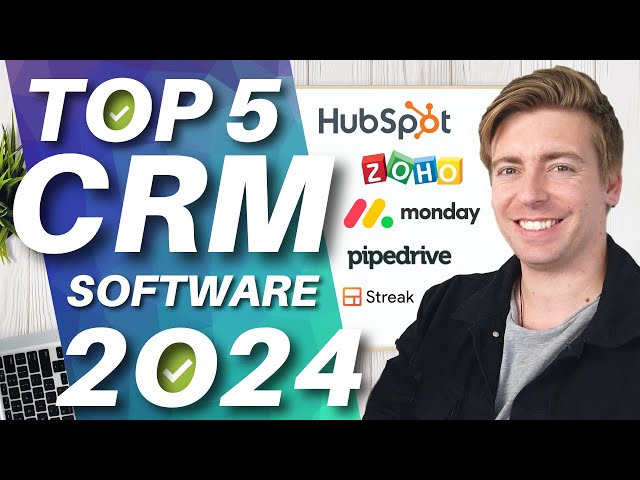
Software solutions CRM are designed to manage customer relationships and interactions. These solutions help businesses track customer data, manage sales pipelines, and provide customer service. CRM systems can be deployed on-premise or in the cloud, and they offer a variety of features to meet the needs of different businesses.
CRM systems are an important part of any business’s customer relationship management strategy. They help businesses track customer interactions, identify sales opportunities, and provide better customer service. CRM systems can also help businesses automate marketing and sales processes, which can save time and money.
The first CRM system was developed in the early 1990s. Since then, CRM systems have evolved significantly, and they now offer a wide range of features and functionality. Today, CRM systems are used by businesses of all sizes, and they are an essential part of any customer relationship management strategy.
Software Solutions CRM
Software solutions CRM (Customer Relationship Management) are essential for businesses of all sizes. They help businesses track customer interactions, manage sales pipelines, and provide better customer service. Here are five key aspects of software solutions CRM:
- Centralized data: CRM systems store all customer data in one place, making it easy for businesses to track customer interactions and identify sales opportunities.
- Sales automation: CRM systems can automate many sales processes, such as lead generation, lead qualification, and opportunity management. This can save businesses time and money.
- Customer service: CRM systems can help businesses provide better customer service by tracking customer interactions and providing customer support representatives with the information they need to resolve customer issues quickly and efficiently.
- Reporting and analytics: CRM systems provide businesses with valuable reporting and analytics that can help them track their sales performance, identify trends, and make better decisions.
- Mobile access: CRM systems are increasingly offering mobile access, which allows businesses to manage their customer relationships on the go.
These are just a few of the key aspects of software solutions CRM. By implementing a CRM system, businesses can improve their customer relationships, increase sales, and provide better customer service.
Centralized data
Centralized data is a key aspect of software solutions CRM. By storing all customer data in one place, CRM systems make it easy for businesses to track customer interactions and identify sales opportunities. This can lead to improved customer relationships, increased sales, and better customer service.
For example, a business that uses a CRM system can easily track a customer’s purchase history, support interactions, and communication preferences. This information can then be used to personalize marketing campaigns, provide targeted customer service, and identify opportunities for upselling and cross-selling.
Centralized data is also essential for sales forecasting and pipeline management. By tracking customer interactions and sales opportunities, businesses can get a clear picture of their sales pipeline and make better decisions about where to focus their sales efforts.
Overall, centralized data is a critical component of software solutions CRM. By providing businesses with a single view of all customer data, CRM systems can help businesses improve their customer relationships, increase sales, and provide better customer service.
Sales automation
Sales automation is a key component of software solutions CRM. By automating many sales processes, CRM systems can save businesses time and money. This can lead to increased sales and improved profitability.
For example, a CRM system can automate the process of lead generation by capturing leads from websites, forms, and social media. The CRM system can then qualify these leads and prioritize them based on their likelihood to convert into customers. This can help businesses focus their sales efforts on the most promising leads.
CRM systems can also automate the process of opportunity management. By tracking customer interactions and sales activities, CRM systems can help businesses identify and close sales opportunities more quickly and efficiently. This can lead to increased sales and improved customer satisfaction.
Overall, sales automation is a critical component of software solutions CRM. By automating many sales processes, CRM systems can save businesses time and money, and increase sales and profitability.
Customer service
Customer service is an essential part of any business. By providing excellent customer service, businesses can build strong relationships with their customers and increase customer loyalty. CRM systems can help businesses provide better customer service by tracking customer interactions and providing customer support representatives with the information they need to resolve customer issues quickly and efficiently.
Here are some specific examples of how CRM systems can help businesses provide better customer service:
- CRM systems can help businesses track customer interactions. This information can be used to identify trends and patterns, which can then be used to improve customer service processes.
- CRM systems can provide customer support representatives with the information they need to resolve customer issues quickly and efficiently. This information can include customer history, purchase history, and support history.
- CRM systems can help businesses automate customer service tasks. This can free up customer support representatives to focus on more complex tasks, such as resolving customer issues.
Overall, CRM systems can help businesses provide better customer service by tracking customer interactions, providing customer support representatives with the information they need to resolve customer issues quickly and efficiently, and automating customer service tasks.
In today’s competitive business environment, it is more important than ever to provide excellent customer service. CRM systems can help businesses do just that.
Reporting and analytics
Reporting and analytics are essential components of software solutions CRM. By providing businesses with valuable insights into their sales performance, CRM systems can help businesses identify trends, make better decisions, and improve their overall profitability.
- Sales forecasting: CRM systems can help businesses forecast sales by tracking customer interactions and sales opportunities. This information can be used to create sales forecasts that are more accurate and reliable.
- Pipeline management: CRM systems can help businesses manage their sales pipeline by tracking the progress of each sales opportunity. This information can be used to identify bottlenecks in the sales process and make adjustments to improve efficiency.
- Customer segmentation: CRM systems can help businesses segment their customers based on their demographics, purchase history, and other factors. This information can be used to create targeted marketing campaigns and improve customer service.
- Competitor analysis: CRM systems can help businesses track their competitors’ sales and marketing activities. This information can be used to identify competitive threats and develop strategies to gain market share.
These are just a few of the many ways that reporting and analytics can help businesses improve their sales performance. By providing businesses with valuable insights into their sales data, CRM systems can help businesses make better decisions and achieve their sales goals.
Mobile access
Mobile access is an increasingly important aspect of software solutions CRM. By allowing businesses to manage their customer relationships on the go, mobile access can help businesses improve their customer service, increase sales, and make better decisions.
There are many benefits to using a CRM system with mobile access. For example, businesses can:
- Access customer data anytime, anywhere
- Update customer data in real-time
- Manage sales opportunities on the go
- Provide customer support from anywhere
In today’s competitive business environment, it is more important than ever to have a mobile CRM system. By providing businesses with the ability to manage their customer relationships on the go, mobile CRM systems can help businesses improve their customer service, increase sales, and make better decisions.
FAQs on Software Solutions CRM
Customer relationship management (CRM) software solutions are essential tools for businesses of all sizes. They help businesses track customer interactions, manage sales pipelines, and provide better customer service. However, there are still some common misconceptions about CRM systems. Here are six FAQs to help you understand CRM systems and how they can benefit your business:
Question 1: What are the benefits of using a CRM system?
CRM systems offer a number of benefits, including:
- Improved customer service
- Increased sales
- Improved efficiency
- Better decision-making
Question 2: How much does a CRM system cost?
The cost of a CRM system varies depending on the size and features of the system. However, there are CRM systems available for businesses of all sizes and budgets.
Question 3: Is a CRM system right for my business?
CRM systems can benefit businesses of all sizes. However, they are particularly beneficial for businesses that have a large number of customer interactions or that are looking to improve their customer service or sales performance.
Question 4: How do I choose the right CRM system for my business?
There are a number of factors to consider when choosing a CRM system, including the size of your business, your budget, and your specific needs. It is important to do your research and compare different systems before making a decision.
Question 5: How do I implement a CRM system?
Implementing a CRM system can be a complex process. However, there are a number of resources available to help you, including CRM consultants and implementation partners.
Question 6: What are the common mistakes to avoid when using a CRM system?
There are a number of common mistakes to avoid when using a CRM system, including:
- Not using the system consistently
- Not entering accurate data
- Not using the system to its full potential
By avoiding these mistakes, you can ensure that your CRM system is a valuable asset to your business.
Overall, CRM systems are essential tools for businesses of all sizes. They can help businesses improve their customer service, increase sales, and make better decisions. If you are not already using a CRM system, I encourage you to consider implementing one.
Learn more about software solutions CRM
Tips for Using Software Solutions CRM
Customer relationship management (CRM) software solutions can be a powerful tool for businesses of all sizes. However, it is important to use CRM systems effectively in order to maximize their benefits.
Tip 1: Define your business goals.
Before you implement a CRM system, it is important to define your business goals. This will help you choose the right CRM system and ensure that you are using it in a way that will help you achieve your goals.
Tip 2: Choose the right CRM system.
There are many different CRM systems available, so it is important to choose one that is right for your business. Consider your business size, your budget, and your specific needs when choosing a CRM system.
Tip 3: Implement your CRM system correctly.
Implementing a CRM system can be a complex process. It is important to follow the vendor’s instructions carefully and to test the system thoroughly before going live.
Tip 4: Use your CRM system consistently.
In order to get the most out of your CRM system, it is important to use it consistently. This means entering data into the system regularly and using the system to track your customer interactions.
Tip 5: Keep your CRM system data clean.
It is important to keep your CRM system data clean. This means removing duplicate data, correcting errors, and updating data regularly.
Tip 6: Use your CRM system to its full potential.
CRM systems can be used for a variety of purposes, such as sales, marketing, and customer service. Make sure you are using your CRM system to its full potential by taking advantage of all of its features.
Tip 7: Get training on your CRM system.
If you are not sure how to use your CRM system, get training from the vendor or from a third-party provider. Training will help you get the most out of your CRM system and avoid costly mistakes.
Tip 8: Get support from your CRM vendor.
If you have any questions or problems with your CRM system, do not hesitate to contact your CRM vendor for support. Your vendor can help you troubleshoot problems and get the most out of your CRM system.
Summary of key takeaways or benefits:
- CRM systems can help businesses improve their customer service, increase sales, and make better decisions.
- It is important to choose the right CRM system and implement it correctly.
- Businesses should use their CRM system consistently and keep their data clean.
- CRM systems can be used to its full potential by taking advantage of all of its features.
- Businesses should get training on their CRM system and get support from their CRM vendor.
Transition to the article’s conclusion:
By following these tips, businesses can use software solutions CRM to improve their customer relationships, increase sales, and make better decisions.
Conclusion on Software Solutions CRM
Software solutions CRM are essential tools for businesses of all sizes. They help businesses track customer interactions, manage sales pipelines, and provide better customer service. By implementing a CRM system, businesses can improve their customer relationships, increase sales, and make better decisions.
The key to success with CRM systems is to choose the right system and implement it correctly. Businesses should also use their CRM system consistently and keep their data clean. By following these tips, businesses can get the most out of their CRM system and achieve their business goals.
Youtube Video: